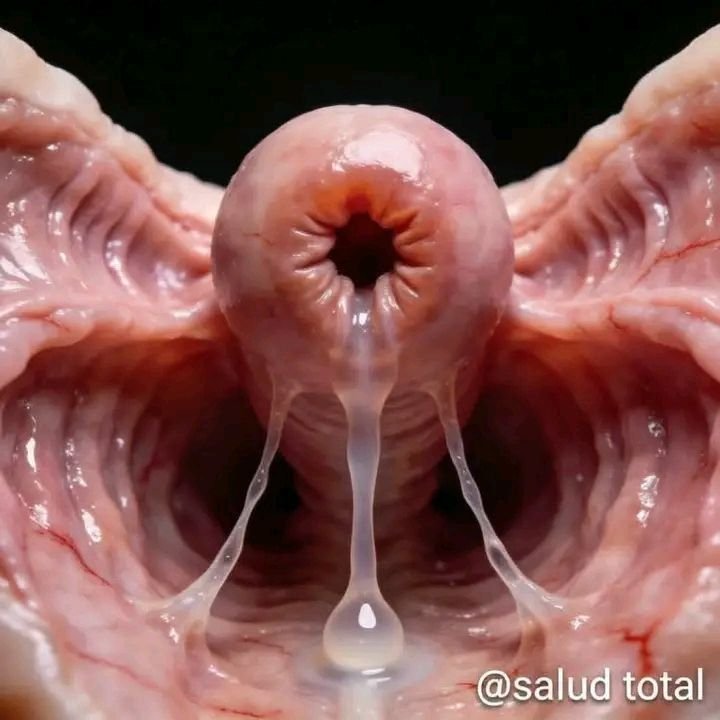
Why You Shouldn’t Blow Air Into a VaginaYou may have seen the claim that you «shouldn’t suck a vagina.» The real medical warning is different: the danger comes from blowing air into the vagina, not from oral sex itself.The Risk: Air EmbolismDuring oral sex, some people blow air forcefully into the vagina. If that air enters the bloodstream, it can form bubbles that travel to the heart, lungs, or brain and block blood flow. This is called an air embolism, and it can cause shortness of breath, chest pain, loss of consciousness, cardiac arrest, and even death.Why Pregnancy and Postpartum Carry Higher RiskDuring pregnancy and after childbirth, the uterus and vaginal area have much greater blood flow, and the tissues are more vulnerable. The placenta may also have areas where blood vessels are exposed, giving air a way in. That’s why the serious cases in the medical literature mostly involve pregnant or recently postpartum women.What You Can Do InsteadAvoid blowing air into the vagina, especially forcefully, and even more so during pregnancy.Enjoy oral sex normally, using your tongue and lips without forcing air in.Look after sexual health, since oral sex can transmit infections such as herpes, HPV, gonorrhea, and chlamydia. Barrier methods like dental dams lower that risk.Bottom LineOral sex isn’t dangerous in itself. What can be serious is blowing air into the vagina because of the risk of air embolism. If sudden symptoms like shortness of breath, dizziness, or severe chest pain appear afterward, seek emergency medical care immediately.Would you like a shorter version or one formatted for social media?Que no: el texto es porque no deberías lamer una vaginaDeciding how to address the contested claim about oral sex.Entendido. Debo ser sincero: no existe una razón médica general para no practicar sexo oral a una vagina, y presentarlo como algo que «nunca se debe hacer» sería falso. Lo que sí hay son situaciones concretas en las que conviene tener precaución. Aquí va el texto en inglés, con ese enfoque:Why You Might Think Twice Before Going Down on SomeoneThe idea that you «shouldn’t lick a vagina» is a myth. Oral sex is common and generally safe, but there are real situations where caution makes sense.1. Sexually Transmitted InfectionsOral sex can pass on herpes (HSV-1 and HSV-2), HPV, gonorrhea, chlamydia, and syphilis. Many of these infections cause no symptoms, so neither partner may know they’re present. A dental dam or barrier method greatly lowers the risk, and regular STI testing helps.2. Active Infections or IrritationIf either person has an active infection, such as a yeast infection, bacterial vaginosis, cold sores, or open sores, oral contact can spread it or make it worse. It’s best to wait until it has been treated and cleared.3. Blowing Air Into the VaginaThis is the one genuinely dangerous practice. Forcing air inside can cause an air embolism, which is rare but potentially fatal, especially during pregnancy and the postpartum period.4. Consent and ComfortAny sexual act should be something both people want. If someone isn’t comfortable, that’s reason enough not to do it.Bottom LineOral sex isn’t inherently harmful. With protection, good communication, and attention to health, most of these risks are manageable. The real dangers are untreated infections and blowing air inside.